
Ayahuasca's Moment
The Future of Sovereign Medicine
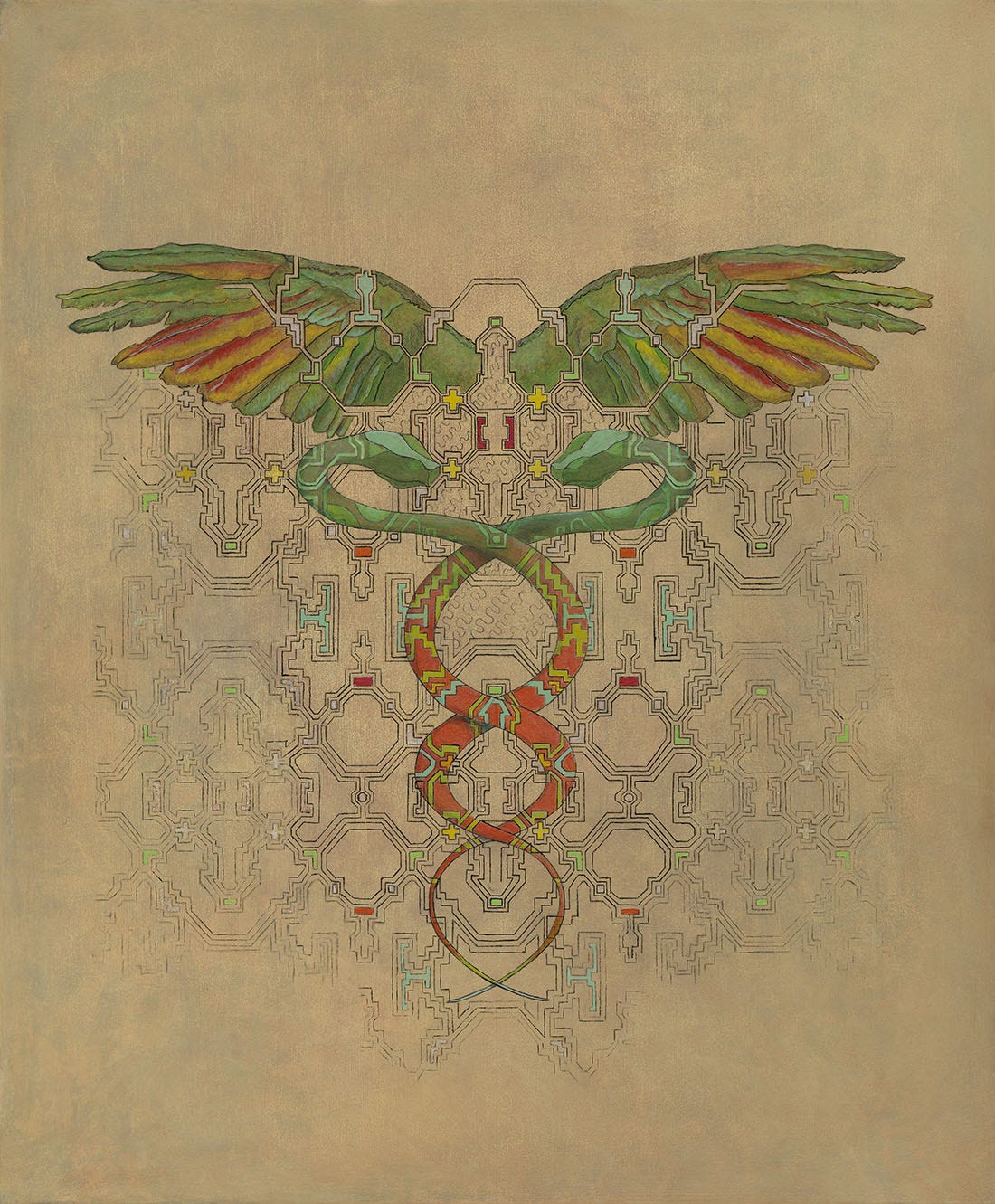
20 years ago, Ayahuasca ceremonies felt underground, hidden from the masses. It felt like we were doing real underbelly work, experiencing something so epic it didn’t yet have the words to describe it, let alone a platform or podcast.
Flash forward. This might be just me, but is there something about Ayahuasca, a powerful psychedelic plant medicine that feels a little... well, dated? Or at the very least, slipping from the Zeitgeist.
For sure our healing tools move in waves, like our consciousness. They arise in response to what we’re collectively suffering from, what we’re hungry for, what we’re numb to. And, what we’re prepared to go through in order to get better.
Psychedelics have undisputedly moved human consciousness forward, from the radical experiments of the 60s to the brave psychonauts who forged into the unknown and shared their adventures on the edge.
But my god, the mansplaining bro podcast era of the psychedelic medicine space is getting old.
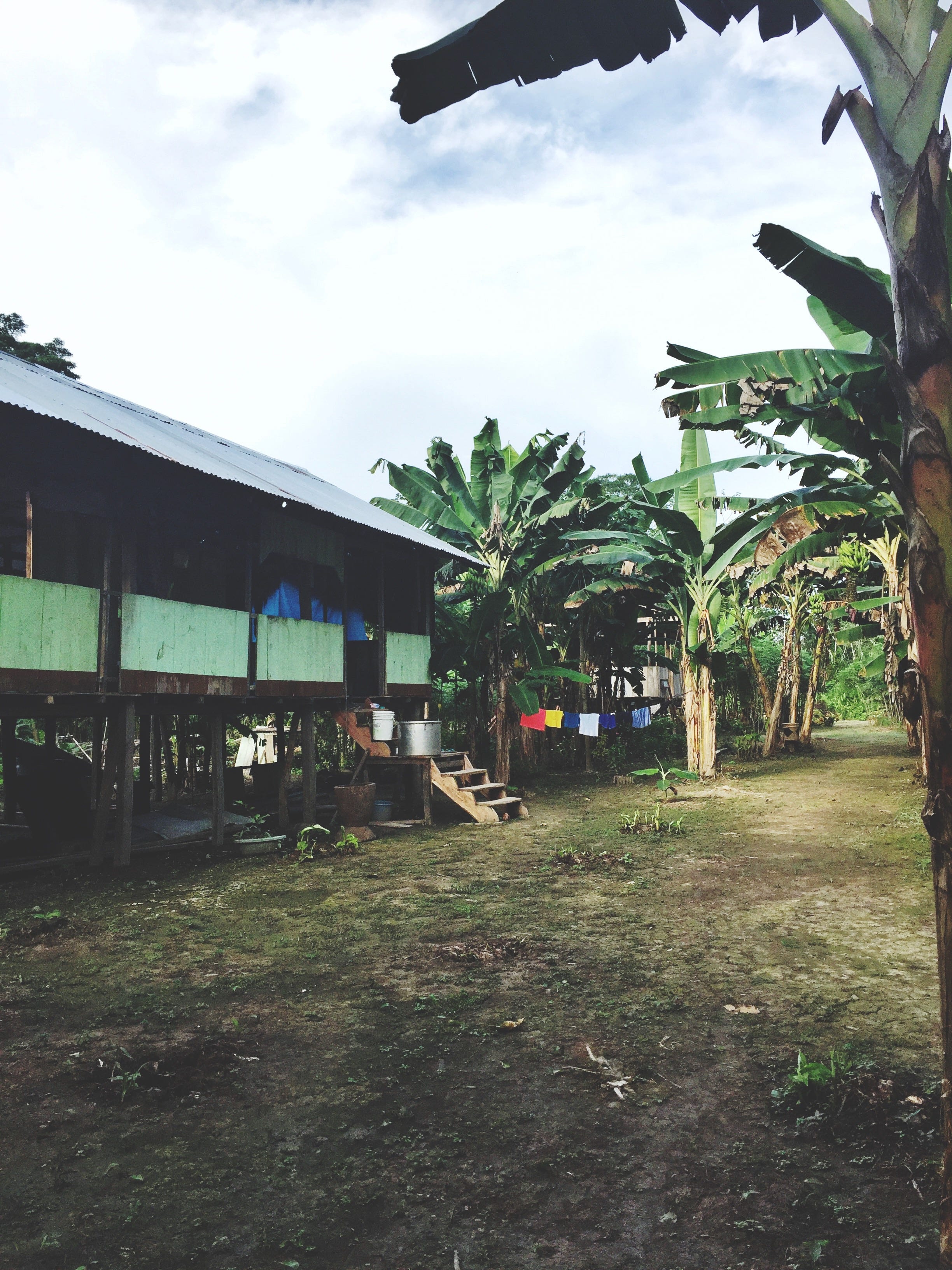
A pause, for the deepest respect.
I spent many years inside the Ayahuasca world in Peru. I drank modestly and usually bi annually. I assisted at retreats. I witnessed real miracles, and a few shit shows.
Ayahuasca cracked open heads and healed hearts. She broke spells. She gave people direct contact with what was possible in their lives, in its highest expression. She sucked out the pain (sometimes a violently) and filled us with the visions of possibilities, and above all else, with love. The One Love.
We still want these things. We still need these things. But the intensity, the INTENSITY of this medicine feels... oof, not of this moment. We want something softer, kinder, slower. Not less helpful or healing. Just something easier, yes, easier.
For addiction, for depression, for people trapped in their darkness, this medicine can be lifesaving and quick. I’ve witnessed that in others and experienced it firsthand. This is not an Ayahuasca takedown. This is an observation about how it may not fit our current predicament, like it used to.
We’re all talking about our nervous systems. Thanks to many, we are now aware that there is a credible case that the autonomic nervous system is not just background infrastructure, and that it’s actively mediating immune function, metabolic regulation, hormonal output, and social behavior and most importantly, in this context, our capacity to integrate big experiences.
And or nervous systems are not what they were ten or even five years ago. We’re more sensitised, more porous, more aware of our cognitive strain and more existentially exhausted. No? At the same time, we’re more nervous-system informed. “Nervous system regulation” now sits at the forefront of almost every alternative healing modality, and for good reason. We need it.
Ayahuasca is a strong, all-encompassing psychedelic medicine and, for many people, myself included, genuinely frightening. Of course, there is huge value in facing our fear and venturing into the unknown, but sitting with this medicine can provoke an intensity on another scale. Between the travel, the expense, the unpredictability, and the real risks and frictions of spiritual tourism, it’s worth asking if your nervous system wants this level of demand.
Our capacity to metabolise intensity, emotional, psychological, energetic, all of it, is just lower now. I don’t see this as a weakness or failure. More like an honest overview. And that’s brave.
If you have spent any time inside the psychedelic or transformational space, you will know that integration is a big deal. Without it, even the most powerful experiences rarely translate into lasting change. Which is the whole point, right? We don’t need another thrill. We want the shift to lead to lasting change.
Integration isn’t simply journaling about your insights. It’s not about understanding what happened or knowing what to do next. Integration is not cerebral. The integration process refers to the capacity of the nervous system to receive, hold, and embody a transformational experience. The bigger and more intense the experience, the greater the integration required. If you have a big Ayahuasca experience, as they tend to be, integration can take months, years, sometimes the rest of your life, or -may never be fully integrated.
While integration and healing can happen outside conscious understanding, unintegrated work can leave you feeling destabilised and dysregulated, or worse.
There is plenty of room for improvement in supported integration by the centres and individuals holding Ayahuasca ceremonies. But I get it, it’s a big ask. Ayahuasca integration can be long, complex and nuanced. Lifelong supported integration is just not built into the model.
OK, this next point is a little risky to say, but here it is straight up: When you’re in an altered state of consciousness, especially in a group, you are more permeable and therefore more susceptible to external influence. That openness is the point of the medicine, and yet it’s also the risk.
If i’m sure you’ve noticed, we’re living in a time with a lot of “unintegrated shadow” moving through the collective field. Unintegrated shadow goes by many names: malevolent spirits, dark entities, dark forces, and what’s often called Wetiko, or the mind virus. Within shamanic cosmology, these dark forces are understood to be drawn to open, unprotected states, particularly the group field. (I actually believe it’s leaking through the internet and specific platforms). It’s the shaman’s job to protect those in this altered state from the Wetiko, and to keep the field clear.
Sometimes these forces have already taken hold on an individual, and that may be what has brought them to the medicine in the first place, knowingly or unknowingly. Again, this is the job of the shaman: to help the medicine liberate the person from this dark force that has taken hold - and to protect the psyche of each person in ceremony.
Some may have forgotten that aspect of the job. It’s dirty work, and familiarity with the underworld is a requisite. As my friend says, the shaman’s capacity for this work must be not good, but exquisite.
Even the most experienced shaman or facilitator cannot guarantee that every space is clean, or that every psyche present is resourced enough to navigate what may come through in a less than exquisitely protected space. Informed consent means: yes, it’s a little risky.
In my experience, nothing is as powerful as Ayahuasca medicine, and I am so relieved to know that when I need it again, I’ll go get it.
But I would never have believed that breathing could bring me the level of release and freedom that it has. Slowly, but so surely.
I’m talking about Conscious Connected Breathing: a sustained, rhythmic breath that works directly with the nervous system, gradually bringing the breather into an altered state of consciousness. It is in this state where outdated imprints, programming, and stories can be loosened and released. A person can also experience states of bliss. Truly, ecstatic bliss. Any time bliss is experienced in the body, your biology reorganises. This is the type of healing we want. This is also an aspect of the Ayahuasca healing, through the DMT release.
Obviously Connected Breathwork, essentially hyperventilating is not psychedelic medicine, but the experiences can be almost as powerful. No ingestion. No long travel. Just your breath. Your life force leading the way. No one needed to ward off spirits in the dark.
With breathwork, nervous system activation is endogenous, meaning it comes from within. You can slow, stop, or soften in real time. You will never need to wait out a mind-bending ride you can’t get off. It’s your own foot on the pedal, and your nervous system knows it. You do enter an altered state, but the medicine is your breath, so you remain altered but aware, versus being taken over by an experience on a dosage you hope and pray was right for you.
And the integration, well it almost takes care of itself. Because the transformational power of breathwork happens through your breath and nervous system, integration already begins in the body rather than the mind. This is why it tends to be more stable and rooted than many other therapeutic approaches, producing slow, gentle, lasting change. For me this has been the most exciting aspect of this work. The integration happens behind the scenes, in real time, slowly but surely.
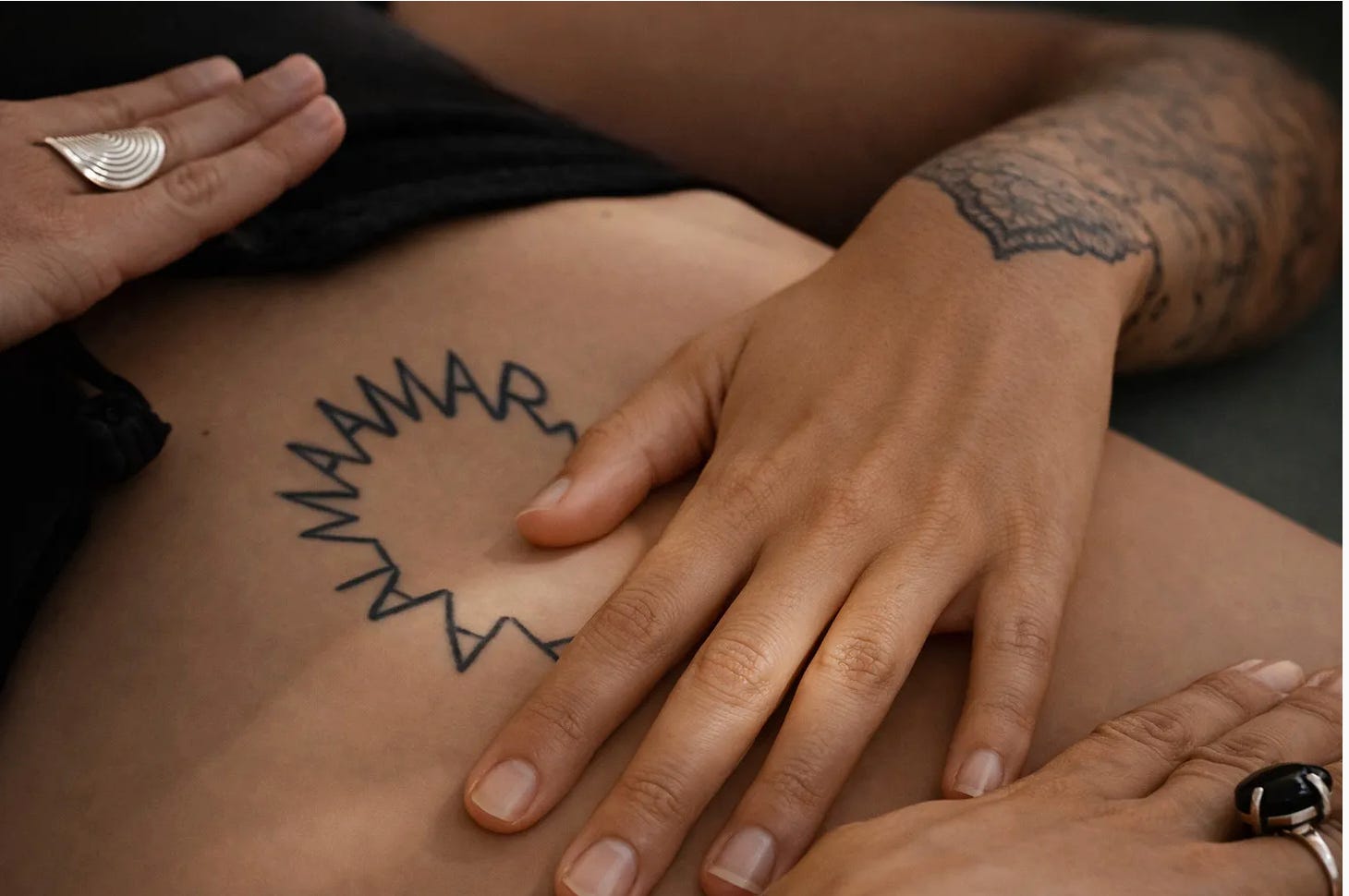
Again, this isn’t about Ayahuasca vs breathwork. It’s a conversation about intensity vs capacity. External medicine vs endogenous recalibration.
Ultimately, the most reliable place to go for the truth is within, the most important relationship you have is your relationship with yourself and the most powerful form of healing is participatory.
While the world feels more and more intense, maybe this moment calls for something gentler, something easier.
Your breath may not be the strongest medicine, but it will always be the most sovereign.
All my love,
Emily xo